What Is an AI Influencer? Definition, Types & Real Examples (2026)
Aitana López earns €10,000 per month from brand deals, has 300,000+ followers, and posts fitness content daily. She also doesn't exist.
By Julien — AI & Marketing Expert
Jump to section
She's an AI influencer—a completely digital character created with artificial intelligence tools. And she's far from alone. From Lil Miquela's Prada campaigns to Imma's Porsche partnerships, AI-generated personalities are landing real money from real brands.
But here's the problem: the term "AI influencer" gets thrown around loosely. Some people use it to describe CGI characters. Others mean faceless YouTube channels. A few are talking about digital clones of real humans. The confusion is real.
This guide breaks down exactly what an AI influencer is, the three distinct types you'll encounter, and real examples of each—with actual earnings data. By the end, you'll know which category fits your goals and whether creating one makes sense for you.
What Is an AI Influencer? (The Simple Definition)
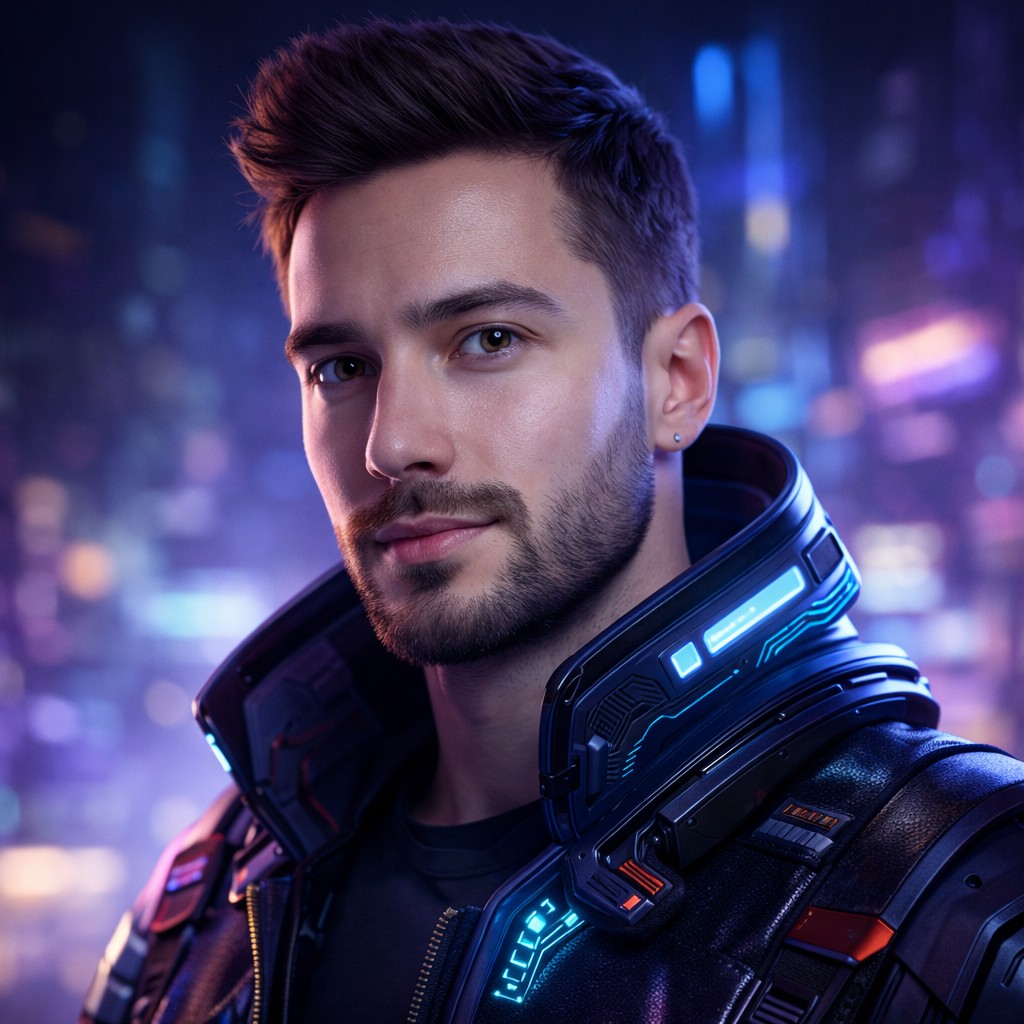
An AI influencer is a digital persona—created using artificial intelligence tools—that builds an audience and engages with followers just like a human influencer would.
The key difference? There's no physical person behind the content. Instead, creators use AI image generators, voice synthesizers, and video tools to produce a consistent character that posts, promotes products, and interacts with fans.
Here's an important nuance: the term "AI" can be misleading. Most AI influencers aren't sentient or autonomous. They don't post on their own or make decisions. A human (or team) still runs the strategy, writes captions, and manages brand deals. The AI handles the visual and creative output—generating the face, body, voice, or video content.
Think of an AI influencer as a character you create and control, powered by AI tools that make production fast and affordable.
The 3 Types of AI-Powered Creators
Not all AI influencers work the same way. Understanding the differences helps you choose the right approach for your goals.
Virtual Influencers (100% Fictional Characters)
Virtual influencers are entirely fabricated digital personas. They have invented names, backstories, personalities, and lives. They don't represent any real person—they're characters, like animated movie protagonists, but designed to feel human.
How they're made:
Creators use AI image generators (Midjourney, Leonardo AI, Stable Diffusion) to produce photorealistic images of a fictional person. Advanced workflows ensure the same face and body appear consistently across hundreds of posts. Some also use AI voice tools to give their character a speaking voice for Reels or TikToks.
Famous examples:
Lil Miquela (2.5M+ followers, $10M+ lifetime earnings), Aitana López (300K+ followers, €10K/month), and Imma (400K+ followers, partnerships with IKEA and Porsche).
Best for:
Creators who want full creative control, long-term brand building, and high monetization potential through brand deals or exclusive content platforms.
Challenges:
Requires consistency (same face across all content), strong storytelling, and ongoing content production. Building trust takes time since audiences know the character isn't "real."
AI Avatars (Digital Twins of Real People)
AI avatars are digital versions of actual humans. A real person creates an AI clone of themselves—same face, same voice—and uses it to scale content production without being on camera every time.
How they're made:
Tools like HeyGen, Synthesia, or D-ID let you upload a short video of yourself, then generate unlimited new videos where your avatar speaks any script. ElevenLabs can clone your voice, so the avatar sounds exactly like you.
Examples in practice:
Entrepreneurs who record one training video and let their AI avatar deliver it in 20 languages. Coaches who create personalized video responses without filming each one. Influencers who want to post daily but can't shoot every day.
Best for:
Personal brands who want to scale content output, maintain their real identity, and automate repetitive video formats. Great for educators, consultants, and solopreneurs.
Challenges:
Your AI avatar is still you—so reputational risks remain. The tech can sometimes feel uncanny if not executed well. Works best for talking-head content rather than dynamic lifestyle footage.
Faceless AI Channels (No Character, Pure Content)
Faceless channels skip the persona entirely. There's no character—just AI-generated content designed to attract views and monetize through ads, affiliates, or digital products.
How they're made:
Creators use AI to generate scripts (ChatGPT, Claude), voiceovers (ElevenLabs, Play.ht), and video footage (Runway, Pika). Everything is assembled into content that looks produced but requires no on-camera presence.
Examples in practice:
YouTube channels posting AI-narrated documentaries or listicles. Instagram accounts sharing AI-generated quotes, facts, or news. TikTok pages posting viral AI-generated clips.
Best for:
Creators focused on volume and ad revenue rather than personal brand. Lower barrier to entry—you don't need to maintain a consistent character.
Challenges:
Harder to build loyal audiences (no emotional connection). Platform algorithms may deprioritize faceless content. Monetization often relies on scale rather than premium brand deals.
→ See real success stories across all types in our AI Influencer Examples gallery.
Quick Comparison: Which Type Is Right for You?
| Factor | Virtual Influencer | AI Avatar | Faceless Channel |
|---|---|---|---|
| Setup effort | High (character design, consistency) | Medium (video training, voice clone) | Low (script + AI tools) |
| Ongoing effort | Medium-High | Low-Medium | Low |
| Brand deal potential | Very High | Medium | Low |
| Audience connection | Strong (if done well) | Strong (you're still "you") | Weak |
| Scalability | Medium | Very High | Very High |
| Best monetization | Sponsorships, exclusive content | Courses, coaching, services | Ads, affiliates |
| Startup cost | $50-200/month (AI tools) | $30-100/month | $20-50/month |
How Do AI Influencers Actually Work?
Behind every AI influencer is a human (or team) running the show. Here's the typical workflow:
Step 1: Character creation
For virtual influencers, this means designing a face, body type, style, and personality using AI image generators. Prompts are refined until the look is locked in. For AI avatars, the real person records training footage.
Step 2: Content production
Each post is generated using AI tools—image generators for photos, video tools for Reels/TikToks, voice synthesizers for audio. The key is maintaining consistency so audiences recognize the character instantly.
Step 3: Posting and engagement
The human operator writes captions, responds to comments (sometimes with AI assistance), and manages DMs. Some creators build elaborate personas, roleplaying as their character in replies.
Step 4: Monetization
Once the audience grows, brand deals come in. AI influencers can also monetize through platforms like Fanvue, Patreon, or by selling digital products.
The tools have gotten remarkably accessible. What once required a CGI studio and six-figure budgets can now be done with a laptop and $100/month in AI subscriptions. That's why the space is exploding.
Why AI Influencers Are Exploding Right Now
This isn't a fad. Several forces are driving real growth:
The tools got cheap and good
Midjourney, Leonardo AI, and Stable Diffusion can generate photorealistic humans for pennies. HeyGen and ElevenLabs make video and voice cloning accessible to anyone. The technical barrier has collapsed.
Brands want control
Human influencers come with risks—scandals, scheduling conflicts, inconsistent messaging. AI influencers show up on time, never say the wrong thing at a party, and can be "adjusted" if needed.
Audiences accept it
Gen Z grew up with virtual characters, gaming avatars, and VTubers. The line between "real" and "digital" personalities has blurred. Many followers don't care if an influencer is AI—they care if the content is good.
Economics make sense
A single creator can run multiple AI influencer accounts, each targeting different niches. The math works in ways it never could with human influencers.
Industry projections put the virtual influencer market above $3 billion by 2030. We're still in the early innings.
Real AI Influencer Examples (With Earnings)
Let's look at specific success stories:
Lil Miquela — The Pioneer
Created in 2016 by Brud (now part of Dapper Labs), Miquela Sousa is the most famous virtual influencer. With 2.5M+ Instagram followers, she's landed campaigns with Calvin Klein, Prada, Samsung, and YouTube. Her team has generated an estimated $10M+ in brand deals. She also "released" music and was named one of TIME's 25 Most Influential People on the Internet.
Read the full Lil Miquela case study →Aitana López — The Solo Creator Success
Launched in 2023 by a Spanish agency, Aitana proves you don't need a massive team. She's a fitness-focused virtual influencer earning ~€10K/month from brand partnerships. Her success sparked a wave of individual creators realizing they could build AI influencers without venture backing.
Read the full Aitana López case study →Imma — The Fashion Industry Darling
This Japanese virtual model has worked with IKEA, Porsche, Amazon, and Valentino. Her hyper-realistic aesthetic and cultural relevance in Tokyo's fashion scene helped her cross over from curiosity to legitimate industry player.
Read the full Imma case study →Shudu — The Digital Supermodel
Created by photographer Cameron-James Wilson, Shudu was designed as the "world's first digital supermodel." She's worked with Balmain, Fenty Beauty, and appeared in Vogue. Her success opened doors for AI models in high fashion.
Read the full Shudu case study →Should You Create an AI Influencer?
AI influencers aren't for everyone. Here's an honest assessment:
Consider it if:
- ✓ You want to build a media asset that isn't dependent on your face or time
- ✓ You're comfortable with content creation and understand social media growth
- ✓ You have patience—building audiences takes months, not days
- ✓ You're interested in creative work (character design, storytelling, visual production)
Skip it if:
- ✗ You want overnight income (this is a real business that takes effort)
- ✗ You're not willing to learn AI tools (there's a learning curve)
- ✗ You only want to copy what's already working (saturated approaches fail)
- ✗ You're uncomfortable with the ethics of virtual personas
The creators who succeed treat their AI influencer like a real business. They invest in quality, develop genuine content strategies, and build for the long term.
What's Next?
You now understand what AI influencers are, how they work, and the three main types you can create. The question is: which path interests you?
If you're ready to go deeper:
- Want to see what's possible? Browse successful AI influencer profiles with earnings breakdowns
- Need tools? Check our curated directory of the best AI software for creators
- Ready to build? Our step-by-step guides cover everything from character creation to monetization
The AI influencer space is still young. The creators who start now—and commit to quality—will have a significant advantage as the market matures.
FAQ
What's the difference between an AI influencer and a virtual influencer?
The terms are often used interchangeably, but 'virtual influencer' typically refers to fully fictional characters (like Lil Miquela), while 'AI influencer' is a broader term that can include AI avatars and faceless channels. All virtual influencers are AI influencers, but not all AI influencers are virtual characters.
Can anyone create an AI influencer?
Yes. The tools required are now accessible and affordable—most cost under $100/month combined. You don't need coding skills or CGI expertise. However, success requires consistent effort, content strategy knowledge, and patience to build an audience.
How much money can AI influencers make?
Earnings vary wildly. Top virtual influencers like Lil Miquela have generated millions. Mid-tier AI influencers with 100K-300K followers typically earn $5,000-$15,000/month from brand deals. Smaller accounts can monetize through platforms like Fanvue or affiliate marketing, earning $500-$3,000/month.
Is it ethical to create AI influencers?
This is debated. Transparency matters—many argue creators should disclose that their influencer is AI-generated. The ethics become murkier with parasocial relationships, sponsored content disclosure, and representation questions. Most platforms now require disclosure of AI-generated content.
What tools do I need to create an AI influencer?
At minimum: an AI image generator (Midjourney, Leonardo AI, or Stable Diffusion) for visuals. For video content: HeyGen or similar. For voice: ElevenLabs. For strategy and writing: ChatGPT or Claude. Total monthly cost: $50-200 depending on usage.